From Conventional to Digital: Understanding the Evolution of Towel Printing
The change of towel printing from traditional approaches like block printing and resist dyeing to contemporary methods such as screen and digital printing marks a considerable change in the fabric industry. Conventional techniques, soaked in artisanal workmanship and social significance, have actually gradually paved the way to digital advancements that offer unprecedented accuracy, efficiency, and modification. This transition not only enhances manufacturing capacities but additionally aligns with growing demands for sustainable methods. Exactly how do these developments affect the essence of fabric printing, and what might the future hold for this ever-evolving craft?
Conventional Cloth Printing Methods
In the very early stages of fabric production, standard cloth printing techniques offered as the keystone of fabric layout, using both performance and imaginative expression. Block printing, one of the oldest techniques, entailed sculpting detailed layouts right into wooden blocks, which were then dipped in dye and pressed onto fabric.
Resist dyeing, consisting of techniques like batik and tie-dye, utilized wax or other substances to stop color from permeating particular areas of the textile. This method produced striking contrasts and complex layouts, typically imbued with social value. Stenciling, another standard method, entailed reducing patterns right into a material and applying color with the openings, using a less complex yet effective way to produce repetitive layouts.
These conventional techniques not only formed the textile sector's early advancement yet also prepared for future technologies. Each technique mirrored the regional and social characteristics of its beginning, maintaining and disseminating artisanal knowledge through generations.
The Rise of Display Printing
Just how did display printing change the landscape of fabric style? The development of display printing in the very early 20th century marked a considerable departure from typical approaches, supplying extraordinary convenience and performance. This technique involves pressing ink with a fine mesh display that has actually been stenciled with a style, permitting high precision and consistency. Screen printing allowed designers to generate detailed patterns and vivid colors on materials, which were previously testing to accomplish with block printing or hand-painting methods.
Among the key advantages of display printing is its capability to duplicate complex layouts on a big scale with amazing fidelity. This scalability made it exceptionally popular in the industrial textile sector, where mass production without giving up high quality is paramount. Screen printing suits a broad array of dyes and inks, expanding the combination of textures and surfaces readily available to designers.
Moreover, the process is very adaptable, appropriate for different fabric types consisting of cotton, silk, and synthetics. This flexibility, combined with its cost-efficiency for big runs, strengthened screen printing's function as a keystone of modern textile production. Therefore, the increase of screen printing reinvented the sector, pressing the limits of what was feasible in fabric layout.
The Development of Digital Printing
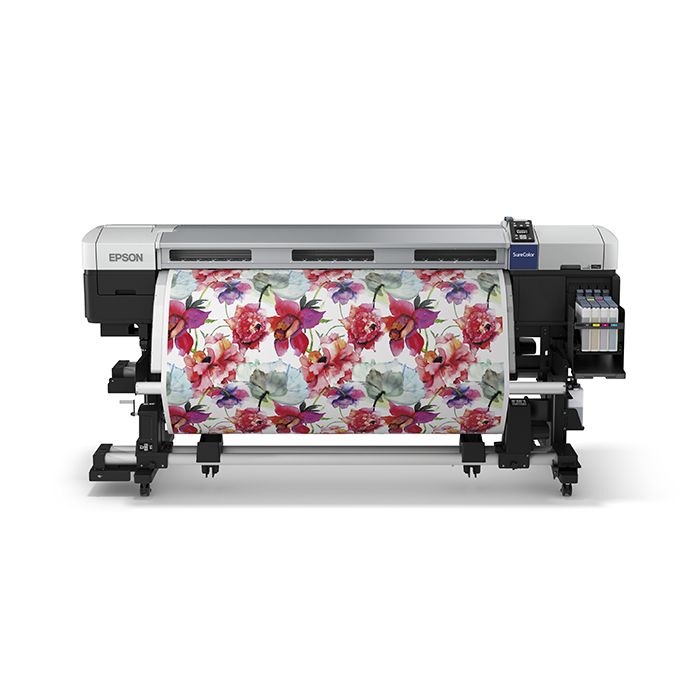
Structure on the impressive improvements brought by display printing, the fabric sector experienced an additional groundbreaking development with the introduction of digital printing. Emerging in the late 20th century, digital printing reinvented the method designs are transferred onto fabrics, providing unprecedented adaptability and performance. Unlike conventional techniques, which commonly needed extensive setup and significant hand-operated treatment, electronic printing uses computer-aided layout (CAD) modern technology to create complex patterns directly onto the textile with high accuracy.
This technology has enabled textile manufacturers to fulfill the expanding demand for personalization and on-demand manufacturing. By removing the requirement for screens and plates, electronic printing minimizes and lowers lead times material waste, making it a much more sustainable alternative. The capability to print intricate photos and a large range of shades in a solitary pass has opened brand-new innovative opportunities for designers, have a peek at these guys cultivating a rise in artistic expression within the industry.
In addition, digital printing sustains smaller set production runs, which is particularly useful for niche markets and start-up fashion brand names. This technological jump has not just boosted operational performance but additionally equalized accessibility to premium textile printing, establishing the phase for future advancements in fabric style and production.
Comparing Techniques: Standard Vs. Digital
While both conventional and electronic printing approaches have their own special benefits, they differ substantially in regards to process, effectiveness, and ecological impact. Typical fabric printing, encompassing techniques like block printing and display printing, entails manual work and intricate workmanship. These approaches are celebrated for their ability to generate abundant appearances and dynamic colors, usually resulting in distinct, artisan-quality products. Nevertheless, they are labor-intensive, taxing, and often limited in terms of color variety and design intricacy.
On the other hand, electronic printing uses advanced modern technology to transfer designs straight onto textile utilizing inkjet printers. This technique uses unrivaled precision and a vast selection of color choices, allowing very thorough and detailed styles. Digital printing is substantially much faster, allowing for fast turnarounds and just-in-time production, which lowers the requirement for large supply storage space. Additionally, it supports customization and small set production, providing to contemporary customer demands for individualized products.
From an ecological viewpoint, electronic printing is generally a lot more sustainable. It utilizes much less water and generates minimal waste contrasted to conventional approaches, which often entail comprehensive cleaning and dyeing processes. Electronic printing is significantly favored in a period where ecological factors to consider are vital.
Future Fads in Cloth Printing
As the fabric market remains to advance, future trends in fabric printing often direct in the direction of better integration of innovation and sustainability. One substantial pattern is the increased application of digital printing innovations. These innovations enable greater precision, quicker manufacturing times, and the capacity to develop complicated layouts that were once challenging with conventional techniques. Digital textile printing is expected to dominate the market, driven by its effectiveness and flexibility to consumer needs for individualized and limited-edition items.

Additionally, the unification of wise fabrics, which integrate digital elements right into fabrics, is established to transform the marketplace. These textiles can give added capabilities such as temperature guideline, health surveillance, and interactive features. As modern technology continues to breakthrough, the junction of digital printing and wise fabrics will open up brand-new opportunities for imaginative and functional applications in cloth printing.
Final Thought
The development of fabric printing from standard techniques to electronic innovations notes a considerable change in the textile market. While traditional techniques highlight artisanal craftsmanship and social heritage, electronic printing uses exceptional accuracy, performance, and modification.
The improvement of fabric printing from conventional methods like block printing and stand up to dyeing to modern strategies such as display and digital printing notes a considerable shift in the fabric industry. Display printing allowed developers to create intricate patterns and vivid colors on materials, which were previously testing to attain with block printing or hand-painting techniques.
Building on the impressive innovations brought by screen printing, the fabric market experienced another groundbreaking growth with the introduction of electronic printing. heat transfer vinyl printing. Standard cloth printing, incorporating methods like block printing and display printing, involves hands-on labor and detailed craftsmanship. As technology proceeds to advance, the crossway of electronic printing and smart a fantastic read fabrics will open brand-new avenues for imaginative and functional applications in cloth printing
Comments on “Releasing Imagination with Heat Transfer Vinyl Printing for Custom-made Styles”